
Guides
Foundation, crack and underpinning guides
Straight answers from structural engineers who don't sell repairs: what cracks mean, why houses move, when underpinning is really needed, what it costs, and what to know about insurance and buying.
 FIELD GUIDES
The short answer
Most cracks in houses are cosmetic. Wide, growing or stepped cracks, sloping floors and sticking doors can mean the footings are moving, and in Australian houses the cause is usually moisture: reactive clay, leaks, trees or poor drainage. Underpinning is only needed when the cause and severity call for it, so find the cause first. These guides take you from the first crack to repair options, cost, insurance and buying.
- Usually harmless
- Hairline cracks under 1 mm that aren't growing
- Get it checked
- Cracks 5 mm or wider, growing, stepped or tapered
- Common causes
- Reactive clay, leaks, trees, poor drainage and fill
- Who to call
- An independent structural engineer, before any repair quote
Every guide is written by engineers who inspect, diagnose, design and certify, and never sell repairs. Each one starts with a short answer, then goes into the detail: crack charts, diagrams, published cost ranges and the questions people ask most.
Reading path
Where to start: the guides in order
Follow the path from the first crack to a decision. Each stage links to the guides that answer it, and to the report that helps when you're ready.
- Problems
Is it serious, and why is it moving?
How engineers read cracks against AS 2870, why houses subside, and how reactive clay moves footings and slabs with the seasons.
- Underpinning
Understand underpinning before anyone quotes
What it is, when you need an engineer, how the methods compare, what it costs, how it differs from restumping and how insurance treats it.
- Buying
Check a house before you commit
What to look for, who to bring in, cooling-off periods by state, and how to decide, renegotiate or walk away.
- Next step
Talk to an independent engineer
A fixed quote within 1–2 business hours, and a report on the cause before any repair is priced.
All guides
Every foundation and underpinning guide
Cracks, subsidence, reactive clay, underpinning methods and cost, insurance and buying, each explained by independent structural engineers.
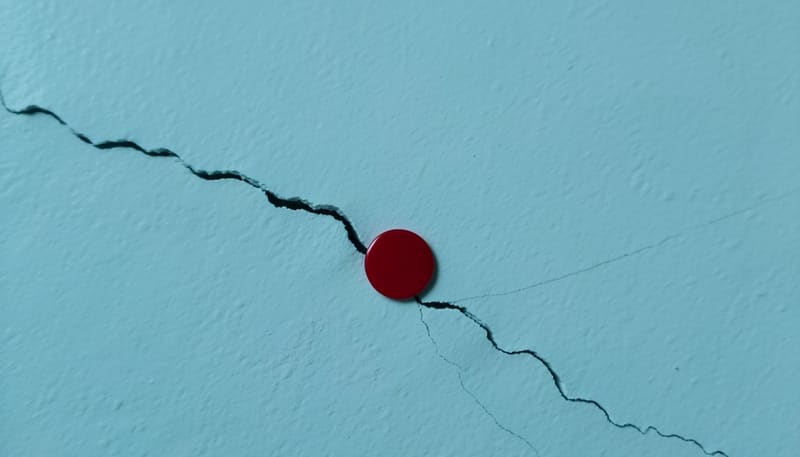
Cracks in walls: when to worry
Most cracks in walls and ceilings are harmless, but some point to footing movement that needs an engineer. Here's how to tell the difference, using the same crack chart engineers use.
Read the guide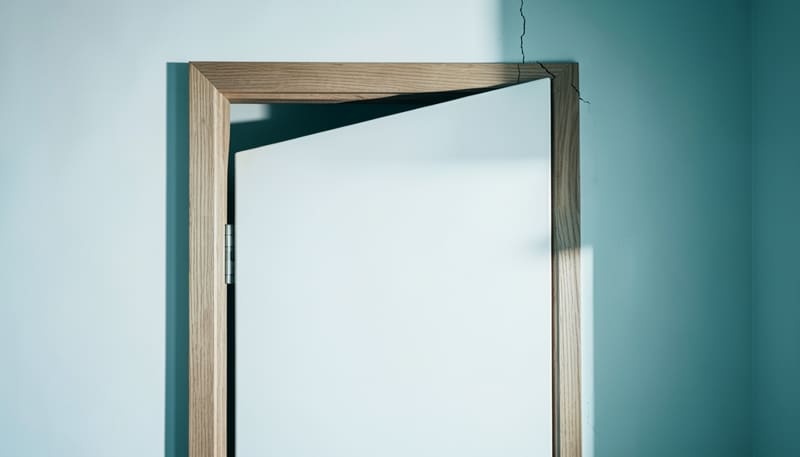
House subsidence and movement
Sticking doors, sloping floors and new cracks can all mean a house is moving. Here's how to read the signs, what usually causes subsidence and when an engineer should take a look.
Read the guide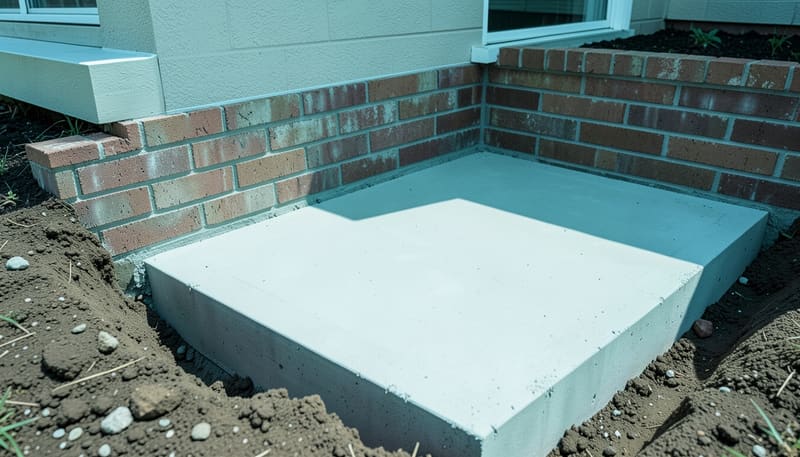
What is underpinning?
Underpinning strengthens or deepens the footings of a house that has moved. Here's what it involves, the main types, and the many cases where you don't need it, from engineers who don't sell it.
Read the guide
Underpinning cost in Australia
Published guides put common residential underpinning jobs at about $4,000–$15,000, with large jobs far higher. Here's what each method costs, what drives the price and what the engineering adds, from engineers who don't sell underpinning.
Read the guide
Do I need an engineer for underpinning?
Short answer: yes. Underpinning is structural work that usually needs an engineer's design, a permit and certification. Here's what the engineer does, and the signs your house may or may not need it.
Read the guide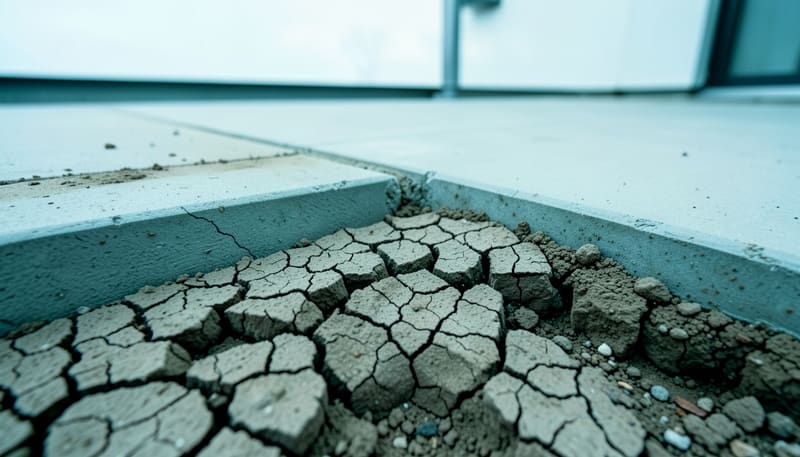
Reactive clay and slab heave
Reactive clay swells when wet and shrinks when dry, so slabs built on it can lift, drop and crack. Here's how it works, what the AS 2870 site classes mean and when slab cracks need an engineer.
Read the guide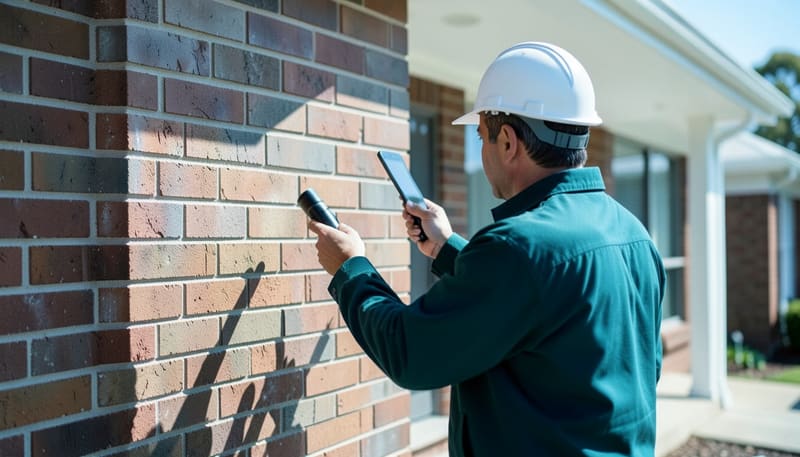
Underpinning methods compared
Mass concrete, bored piers, screw piles, resin injection and slab jacking each suit some houses and fail in others. Here's how they compare on how they work, where they suit and how they fail, from engineers who don't sell any of them.
Read the guide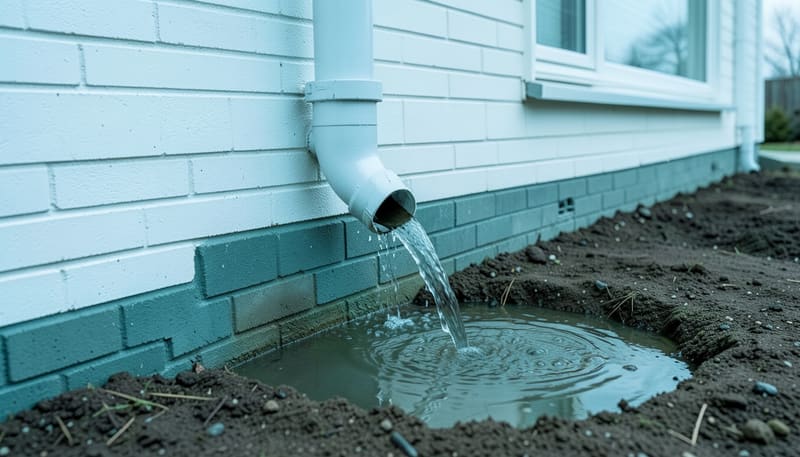
Does insurance cover subsidence?
Many home policies exclude gradual subsidence and earth movement, but damage caused by an insured event such as a burst pipe may be covered. Here's how cover usually works, and how an engineer's report helps a claim.
Read the guide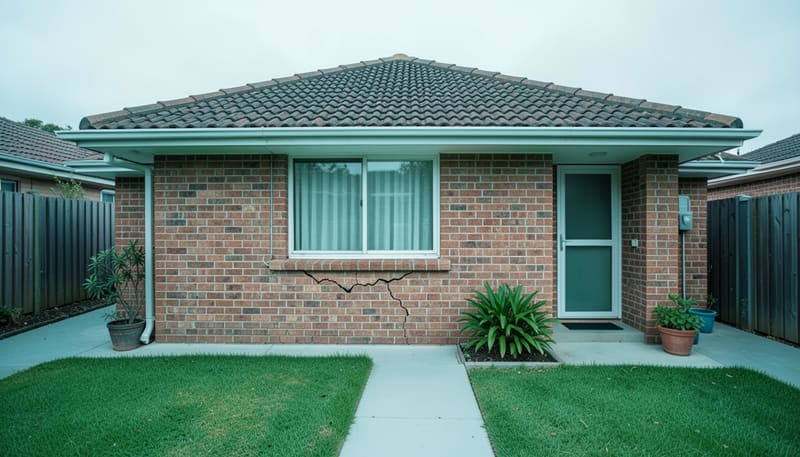
Buying a house with foundation problems
Cracks, sloping floors or tired stumps don't have to rule a house out. Here's what to check before you buy, when to bring in a structural engineer, and how to use the findings to decide, renegotiate or walk away.
Read the guide
Underpinning vs restumping
Restumping replaces the stumps under a raised timber floor; underpinning strengthens or deepens the footings under slabs and brick walls. Here's how to tell which your house needs, what each costs and where an engineer fits.
Read the guide
Structural engineer fees
On-site inspections with a written report from $450 + GST, with a fixed quote before we start.
See pricing
Got an underpinning quote?
An independent engineer checks the cause, the scope and what the quote leaves out, from $390 + GST.
Get a quote reviewedWhen you're ready
Reports and services these guides lead to
Every service is engineering only. We inspect, diagnose, design and certify; we never sell, recommend a contractor for, or carry out repairs, so the advice stays on your side.
On-site inspections with a written report start from $450 + GST, underpinning quote reviews from $390 + GST, and design and certification are fixed-quoted for each job. See pricing, or get a fixed quote within 1–2 business hours.
- House structural inspections
An engineer's inspection and report - Foundation & crack reports
Find the cause before any repair quote - Pre-purchase structural inspections
Cracks or movement? Check before you buy - Underpinning quote review
An independent second opinion - Underpinning design & certification
Design, permits, stage inspections - Building defect reports
Owners, buyers and disputes - Crack monitoring
Is movement active or historic?
Questions
Cracks, subsidence and underpinning questions, answered
Still unsure? Call 07 2150 0579 and an engineer will talk it through.