
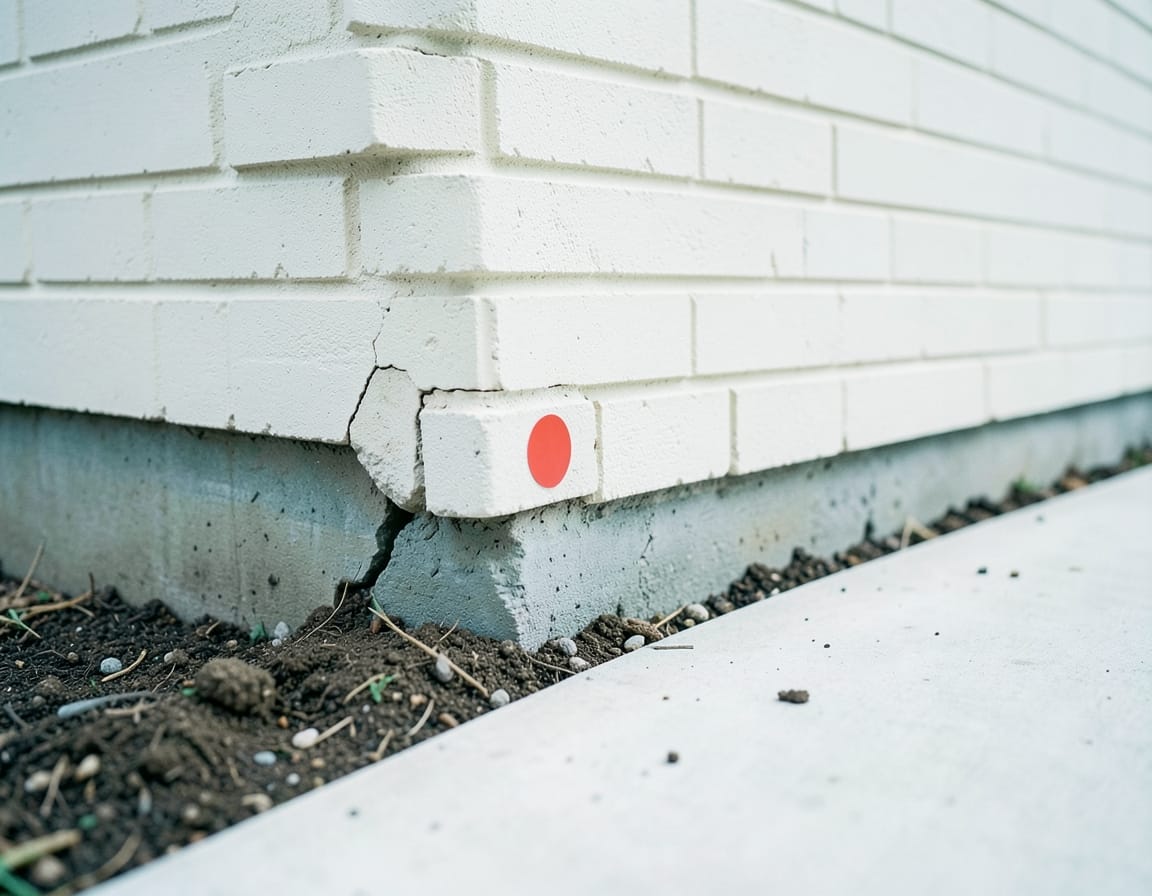
Cracks · Subsidence · Movement
Foundation and crack reports: find the cause before anyone quotes repairs
A foundation and crack report is a structural engineer's assessment of the cracks in your home and the foundations beneath them. We measure and rate the cracks against AS 2870, work out what's moving the house and why, and set out your options. We never sell repairs, so the report is about the cause, not a product.
- Cracks measured and rated
- Cause before any quote
- From $450 + GST
Overview
What is a foundation and crack report?
The short answer
A foundation and crack report is a structural engineer's written assessment of the cracks in a house and the footings and soil behind them. It's also called a foundation inspection, foundation assessment or subsidence report. The engineer measures each significant crack, rates it against the AS 2870 damage categories, identifies the likely cause and recommends what to do next, which may be nothing at all.
It's the report to book when you need a structural engineer for cracks: one has appeared or grown, a door has started to stick, or a contractor has suggested underpinning. A crack is a symptom. A useful structural engineer report on cracks finds what's behind it, because the cause decides the fix: a leaking pipe, a downpipe or a tree drying the soil needs a very different answer from a footing that keeps settling.
- It answers
- Is it serious, what's causing it, and what next?
- Cracks rated
- Against AS 2870 damage categories 0 to 5
- Time on site
- One to three hours for a typical house
- Fee
- From $450 + GST, fixed before we start
- Report date
- Confirmed in your quote
- Independence
- We never sell or carry out repairs
Key takeaways
- The cause decides the fix, so it's found before any repair is quoted.
- Each significant crack is measured and rated against AS 2870.
- Leaks, drainage and trees are checked, because soil moisture is a common cause of movement.
- We don't sell repairs, so "no repair needed" is a possible answer.
What we check
What does a foundation inspection cover?
The cracks, the structure around them and the ground they sit on. Evidence of the cause is usually spread across all three, so the engineer looks inside, outside and around the house.
Crack mapping
Each significant crack located, measured for width and length, and photographed, inside and out.
Crack patterns
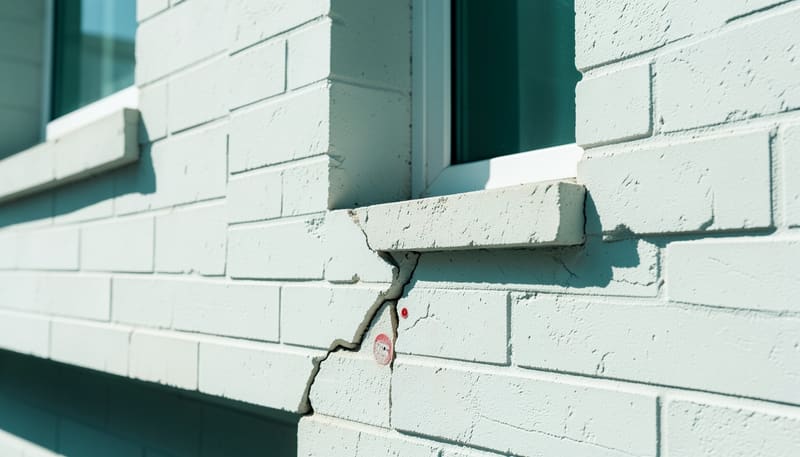
Stepped, tapered, horizontal and corner cracks read for the direction and kind of movement.
Doors, windows and floors
Sticking doors, racked frames, sloping floors and gaps at skirtings that show the structure moving.
Footings and slab
Visible footings, slab edges and floor cracks, checked for signs of settlement or heave.
Leaks and drainage
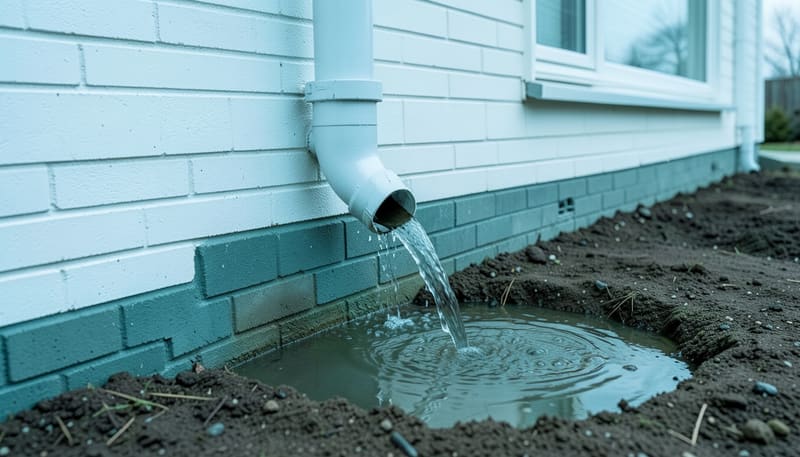
Downpipes, stormwater, ponding and signs of plumbing leaks that can soak and soften the soil.
Trees and site
Trees near the house, garden beds, paving and fill that change soil moisture or support.
Want to read the cracks yourself first? Our guide to cracks in walls and when to worry explains what each pattern usually means and how to keep a simple record before we arrive.
Rating the cracks
How serious are the cracks? The AS 2870 damage categories
Engineers commonly rate wall cracks with the damage categories in AS 2870, the Australian Standard for residential slabs and footings. Each significant wall crack in your report gets a category, from 0 (negligible) to 5 (very severe).
- Cat 0Negligible< 0.1 mm
Hairline cracks.
- Cat 1Very slight< 1 mm
Fine cracks which do not need repair.
- Cat 2Slight< 5 mm
Cracks noticeable but easily filled. Doors and windows stick slightly.
- Cat 3Moderate5–15 mm
Cracks can be repaired; some wall may need replacing. Doors and windows stick, service pipes can fracture, weathertightness often impaired.
- Cat 4Severe15–25 mm
Extensive repair: sections of wall broken out and replaced. Frames distort, walls lean or bulge, some loss of bearing in beams.
- Cat 5Very severe> 25 mm
Major repair, partial or complete rebuilding. Beams lose bearing, walls lean badly and need shoring. Danger of instability.
Width is only a guide
The standard treats crack width as a guide. The number of cracks, their pattern and location, and whether they're still growing all count, so the engineer reads the whole picture rather than one measurement.
As a rough rule, cracks under 1 mm (Categories 0 and 1) are usually cosmetic, and cracks of 5 mm or more (Category 3 and above) need an engineer's attention. In between, the pattern and the trend matter most.
If it isn't clear whether a crack is still moving, the report may recommend crack monitoring before any repair is decided.
Finding the cause
What causes foundation movement and cracking?
Usually a change in soil moisture under the footings. Reactive clay shrinks as it dries and swells when wet, so anything that dries or soaks the ground under one part of the house can move that part relative to the rest.
- Reactive clay moves with the seasons, so cracks on it often open and close.
- Trees draw moisture from the soil, drying the clay under the nearest footing.
- Leaks and poor drainage soak and soften the ground under part of the house.
- Settlement happens when soil under a footing compresses or softens, often where fill was poorly compacted.
- Slab heave can occur when moisture builds up under a slab on reactive clay and lifts part of it.
Movement often has more than one contributor, so the report names the likely cause or causes before anyone prices a repair.
Read more in our guides to house subsidence and movement and reactive clay and slab heave.
What moves a house? Four common causes
- Trees and roots draw moisture from the soil near a footing, so clay under that side shrinks.
- Reactive clay swells when wet and shrinks when dry, moving footings with the seasons.
- Leaking pipes or poor drainage soak and soften the ground under part of the house.
- Poorly compacted fill keeps settling under a footing long after the house is built.
After the report
What happens after the report?
You act on the recommendation, which can be anything from nothing at all to a repair that needs designing. These are the five outcomes, from least to most work.
No action needed
Fine cracks that aren't growing can simply be filled and painted at the next repaint.
Fits: fine, stable cracksMaintenance
Fix what's driving the movement: repair leaking pipes, connect downpipes to stormwater, improve drainage or manage a tree.
Fits: leaks, drainage or treesMonitoring
Repeat readings over time separate seasonal movement from progressive movement before anyone decides on a repair. See crack monitoring.
Fits: cracks that may still be movingFurther testing
A geotechnical soil investigation or a plumbing test confirms a cause the inspection can't prove on its own.
Fits: a cause still to be confirmedRepair design and certification
We design the repair, prepare documents for the building permit or approval, inspect critical stages and certify the work. Any licensed contractor can build it. See underpinning design and certification.
Only once the cause is confirmed
Insurance
Can a crack report help with an insurance claim?
It can help, because cover often turns on what caused the damage, and the report sets out the likely cause with measured cracks, photos and an engineer's signature. It can't decide the outcome: that depends on your policy and your insurer.
Many home insurance policies exclude damage from gradual subsidence, settlement, shrinkage or earth movement, but cover damage caused directly by an insured event, such as escape of liquid from a burst pipe, a storm or a flood. Wording differs between policies, so check your product disclosure statement (PDS).
General information only
This isn't insurance advice, and we can't predict how a claim will be decided. Ask your insurer how your policy applies, and read our guide: does home insurance cover subsidence?
How it works
How does a foundation inspection work?
From your photos to a signed report, with the fee fixed before we start.
- Step 1
Send photos and the address
Tell us where the cracks are, when you noticed them and whether anyone has quoted a repair.
- Within 1–2 business hours
Get a fixed quote
A fixed fee and an inspection date. The report delivery date is confirmed in your quote.
- On site · one to three hours
Measure and investigate
Cracks measured and mapped, and floors, doors, drainage, plumbing signs and trees checked.
- On the date in your quote
Receive the signed report
Crack ratings, the likely cause, severity and recommendations, with photos.
- Your call
Take the next step
Act on the recommendation. Monitoring or a repair design is quoted separately, before it starts.
Foundation and crack report
An on-site inspection of a typical house and a signed engineer's report. Your fixed quote reflects the house and what needs checking, and confirms the report date.
- Every significant crack measured and rated
- The likely cause, severity and recommendations
- Photos and the engineer's signature
- Independent: we never sell or carry out repairs
Already quoted for underpinning?
An independent underpinning quote review checks whether the cause has been identified, whether the scope makes sense and what the quote leaves out, from $390 + GST. If a site visit is needed, it becomes a foundation and crack report.
Before anyone quotes a repair
Found cracks in your house? What to do first
Do
- Mark the ends of each crack with a dated pencil line
- Check taps, pipes, drains and downpipes for leaks
- Keep any earlier reports, quotes or repair records
- Have the cause diagnosed before you ask for repair prices
Don't
- Patch or render over cracks before they've been measured
- Accept underpinning as the answer before the cause is known
- Treat a free inspection from a repair seller as independent
- Wait on a crack that's widening quickly
Related services
Other reports we prepare
Underpinning quote review
An independent engineer's second opinion on an underpinning quote: the cause, the method, the scope and what it leaves out.
Learn more Homeowners · Builders · ContractorsUnderpinning design & certification
If underpinning is needed, we design it, prepare the permit documents, inspect the critical stages and certify the work.
Learn more Active or historic movementCrack monitoring
Repeat readings that show whether a crack is stable, seasonal or still widening, before anyone designs a repair.
Learn moreQuestions
Foundation and crack report FAQs
Still unsure? Call 07 2150 0579 and an engineer will talk it through.