The short answer
Often not, if the damage comes from gradual subsidence. Many home insurance policies exclude damage from subsidence, settlement, shrinkage or earth movement, but may cover damage caused directly by an insured event, such as escape of liquid from a burst pipe, a storm or a flood. Underpinning follows the same rule: it's only covered if the damage it repairs is covered. Wording varies, so check your policy and PDS, and have an engineer document the likely cause, because the cause usually decides which part of the policy applies.
Key takeaways
- Many policies exclude gradual subsidence, settlement, shrinkage and earth movement. Your PDS has the exact wording.
- Damage caused directly by an insured event, such as a burst pipe, storm or flood, may be covered.
- The cause decides which part of the policy applies, so have it documented by an engineer.
- Photograph and record damage early, stop any leak and tell your insurer promptly.
Cracks appear, a door starts sticking, and someone mentions underpinning. The next question is almost always: will insurance pay? Like most home insurance subsidence questions, the answer depends on two things: what caused the damage, and how your policy words its cover and exclusions. This guide explains the general patterns, what an engineer's report can and can't do for a claim, and what to do in the first days after you notice damage.
Home insurance and subsidence: quick facts
- Often excluded
- Gradual subsidence, settlement, shrinkage and earth movement
- May be covered
- Damage caused directly by an insured event, such as a burst pipe, storm or flood
- Where to check
- Your policy wording and its Product Disclosure Statement (PDS)
- What decides it
- The cause of the damage, read against the policy wording
- Useful evidence
- An engineer's report on the likely cause, the damage and what's new
- Our crack report
- From $450 + GST for a typical house
Does insurance cover subsidence?
Often not, when the subsidence is gradual. Many home policies exclude damage caused by subsidence, settlement, shrinkage or other earth movement, and footing movement often builds up slowly: reactive clay shrinks as it dries and swells when wet, and poorly compacted fill can keep settling long after a house is built.
The answer can change when an insured event sets things off. Many policies cover damage caused directly by events such as escape of liquid from a burst pipe, a storm or a flood, and some treat ground movement that follows one of those events differently from gradual movement. So when you ask "does insurance cover subsidence?", the useful follow-up question is: what caused it?
What moves a house? Four common causes
- Trees and roots draw moisture from the soil near a footing, so clay under that side shrinks.
- Reactive clay swells when wet and shrinks when dry, moving footings with the seasons.
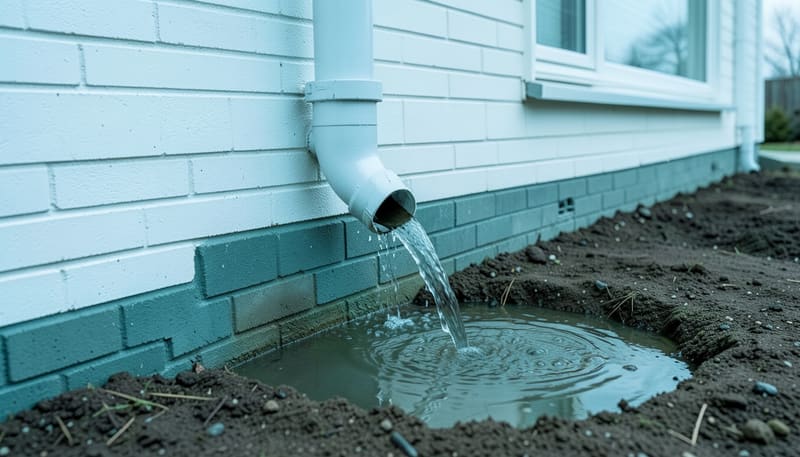
- Leaking pipes or poor drainage soak and soften the ground under part of the house.
- Poorly compacted fill keeps settling under a footing long after the house is built.
Of the four common causes in Figure 1, a leak is the one most likely to trace back to an insured event, such as a pipe that burst. Trees, reactive clay and settling fill tend to act slowly, which is the kind of movement many policies exclude. Often more than one cause is involved, which is why the cause has to be assessed on site rather than assumed. Our guide to house subsidence and movement explains each one in more detail.
What is often covered, and what is often excluded?
Policies differ, but some patterns are common. Use this table to work out which questions to ask about your own policy, not as an answer about it.
| What happened | General pattern | What to check in your policy |
|---|---|---|
| A pipe burst and the escaping water damaged the house | Often covered, as escape of liquid | Whether the damage was caused directly by the escaping water |
| A storm damaged the house | Often covered, as storm damage | How the policy defines a storm |
| A flood damaged the house | Often covered where flood is included | Whether flood is included, and how it's defined |
| Footings moved as reactive clay shrank and swelled | Often excluded, as shrinkage or earth movement | The subsidence, shrinkage and earth movement exclusions |
| The house settled on soft soil or poorly compacted fill | Often excluded, as settlement or subsidence | The settlement exclusion |
| Tree roots dried out the soil under a footing | Often excluded, as gradual shrinkage | How the policy treats gradual damage and tree roots |
| The ground moved after a burst pipe, storm or flood | Varies between policies | Whether earth movement caused by an insured event is covered, and on what conditions |
| Cracks were there before the event | Usually not part of a claim for that event | Dated photos or earlier reports that show what was already there |
General patterns only, not a statement about any insurer or policy. Your policy wording and PDS decide what's covered, and the insurer assesses each claim on its facts.
General information, not insurance advice
This guide describes common patterns in home insurance policies. It isn't insurance or legal advice, and it can't tell you whether a claim will be accepted. For your own cover, read your policy and PDS, and ask your insurer or broker. Our reports deal with the engineering: the likely cause, the damage and the repair options.
Is underpinning covered by home insurance?
Only if the damage it repairs is covered. Underpinning strengthens or deepens a footing, so it's a repair to the foundations, and the insurance question is the same as for the cracks above it: what caused the movement, and does your policy cover damage from that cause?
- Gradual movement your policy excludes. If the cause is subsidence, settlement or shrinkage that the policy excludes, the repair, including any underpinning, is unlikely to be covered.
- Damage from an insured event. If a burst pipe, storm or flood caused the damage, the insurer assesses the claim, and decides what it pays for, under the terms of the policy.
- Underpinning may not be the fix. Sometimes repairing a leak or drainage and monitoring the cracks is enough. The diagnosis should come before anyone prices a repair.
If a contractor has already quoted for underpinning, our underpinning quote review checks whether the cause has been identified and whether the scope makes sense, from $390 + GST. If repairs are needed, we can design and certify them through underpinning design and certification, and any licensed contractor can build the work. For the background, read what underpinning is, whether you need an engineer for it and what underpinning costs.
How does an engineer's report support an insurance claim?
It gives you, and your insurer, independent evidence on the questions a subsidence claim tends to raise: what caused the damage, what exactly is damaged, and which damage is new.
Identifies the likely cause
Reactive clay, a leak, a tree, poor drainage or fill: the report explains which are involved and why, and recommends tests where the cause needs confirming.
Records the damage
Cracks are located, measured for width, length and pattern, rated against the AS 2870 damage categories and photographed.
Separates old from new
Clues such as earlier patching or paint inside a crack, plus your own dated photos, help show which cracks were there before the event.
Sets out the options
From no action, maintenance or monitoring to a repair to be designed, so any repair scope is grounded in the cause.
A report is most useful when:
- The cause isn't obvious, or several causes may be involved
- Water is involved, and you need to know whether it caused the movement
- Some cracks were already there and need separating from new damage
- You and your insurer see the cause differently
- A repair has been quoted and you want to know whether it's needed
What a report can't do is decide the claim. The insurer assesses it under your policy and may arrange its own assessment. An independent report is your evidence, written for you by an engineer who doesn't sell repairs and so has no stake in how big the repair turns out to be.
What should you do after you notice damage?
Photograph it, record it, tell your insurer, stop any water making it worse and get an engineer's report on the cause. Do it early, before repairs, weather or another season of movement change what can be seen.
Make it safe first
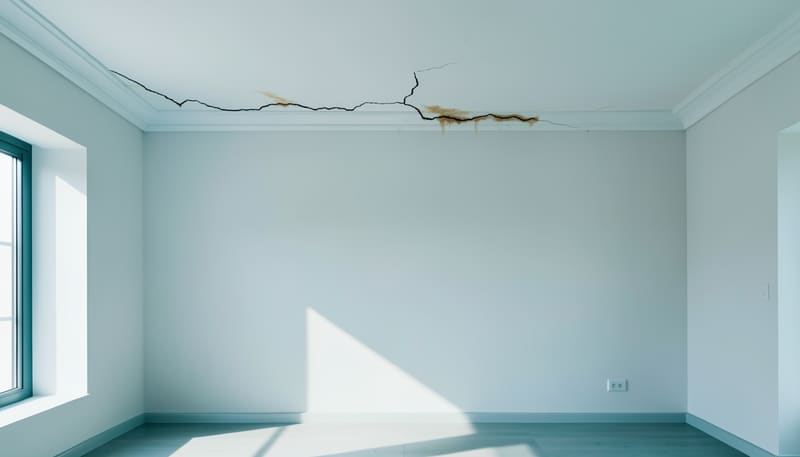
If water is still escaping from a burst pipe, turn it off at the mains before anything else. A sagging or water-stained ceiling needs prompt attention, so keep people out from under it and have it checked.
- Straight away
Photograph the damage
Take wide shots and close-ups of every crack, stain and sticking door, with a ruler or coin in the frame for scale.
- The same day
Record what you see
Note when you first noticed each crack, mark its ends in pencil with the date and measure the widest point. Keep everything in one file.
- Promptly
Report it to your insurer
Tell your insurer what happened and when, check your policy for any notice requirements, and ask what evidence it needs. Note every call.
- As soon as you can
Stop further water damage
Have a licensed plumber find and fix leaks, and keep their report. Clear blocked drains and make sure downpipes discharge away from the walls.
- Before any repair
Get an engineer's report
An independent structural engineer records the damage, identifies the likely cause and separates old cracks from new, before anything is patched.
Do
- Photograph, measure and date the damage
- Keep plumbers' reports, invoices and emails
- Read the PDS sections on earth movement and escape of liquid
- Get an independent engineer's view on the cause
Don't
- Fill or paint over cracks before they're recorded
- Leave a leak running while you wait for an answer
- Assume a claim will or won't succeed before reading the wording
- Treat a repair company's free inspection as the diagnosis
Should you get your own engineer's report?
It's worth considering when the cause is unclear, when water may be involved, or when you and your insurer see things differently. Your insurer may arrange its own assessment; an independent report gives you evidence of your own, from an engineer who works for you.
When you ask for a quote, send the address, photos of the damage, when you first noticed it and what you think happened. If your insurer has given you a date to respond by, tell us and we'll confirm whether we can meet it. A typical house takes one to three hours on site, and the report delivery date is confirmed in your quote.
Book a foundation and crack report
Our foundation and crack report measures the damage, rates the cracks against AS 2870, identifies the likely cause and sets out your options, from $450 + GST for a typical house. For a wider look at the whole building, book a house structural inspection. If a claim has turned into a dispute, our building defect and dispute reports are fixed-quoted. See all fees.
How can you reduce the risk of movement your policy may not cover?
Look after water and trees around the footings. Gradual movement, the kind many policies exclude, often starts when the soil under part of the house gets wetter or drier than the rest.
- Fix leaks promptly. A leaking tap, pipe or drain can soak the soil under a footing before any crack appears.
- Send downpipes to the stormwater system, well away from the walls, and don't let water pond against the house.
- Get advice about large trees near the house before planting or removing them, because either can change the moisture in the soil.
- Watch existing cracks with dated pencil marks or a tell-tale gauge, so you know quickly if anything changes.
Our crack monitoring uses scheduled readings to show whether movement is stable, seasonal or progressive. For the ground itself, read reactive clay and slab heave. Buying rather than claiming? See buying a house with foundation problems.
Sources and standards referenced
- Standards Australia, AS 2870-2011 Residential slabs and footings. Appendix C, Table C1: classification of damage to walls