
Underpinning & restumping trades
Engineering partner for underpinning and restumping contractors
Underpinning jobs usually need an engineer at every stage: confirming the cause, designing the work, documenting it for the permit, inspecting critical stages and signing it off. We do the engineering and never the building, with a fixed quote within 1–2 business hours.
- Fixed quotes in 1–2 business hours
- Permit documents
- Stage inspections & certification
Engineering partner
Do underpinning and restumping contractors need an engineer?
The short answer
For underpinning, usually yes: it's structural work that usually needs a building permit or approval with an engineer's design, and the engineer inspects critical stages and certifies the result. Restumping jobs can need engineering too, depending on the job. Your building surveyor or certifier sets the requirements each time.
That makes an engineer part of nearly every underpinning job you price. The question is whether the engineering holds the job up or keeps it moving. We aim for the second: fixed quotes within 1–2 business hours, clear documents for the permit, and stage inspections at the points set in the design.
We're engineering only. We never quote for or carry out building work, and we don't recommend contractors, so we never compete with you for a job.
- Underpinning
- Diagnosis, design, permit documents, stage inspections, certification
- Restumping
- Inspection and engineering where the job needs it
- Fixed quote
- Within 1–2 business hours, Mon–Fri: 8:00am – 5:00pm
- Areas
- Melbourne, Sydney, Brisbane, Adelaide, Geelong and more
- Credentials
- Engineers Australia · RPEQ
- We never
- Quote, build or recommend contractors for repairs
 STAGE · INSPECTED
Key takeaways
- Fixed engineering quotes within 1–2 business hours, so your own quote isn't held up.
- Designs for the method the ground and the cause call for.
- Permit documents for your building surveyor or certifier.
- We never compete with you for the building work.
What we provide
What engineering do we provide for contractors?
Everything between "the house is moving" and "the work is signed off", except the building: one engineering firm from the first inspection to certification.
Inspection and diagnosis
We inspect and confirm the cause, with a soil investigation or plumbing test where needed, before anything is designed.
Underpinning design
Mass concrete, piers, screw piles, or resin where it suits, with extent and founding depth set out.
Restumping engineering
Inspection and engineering for raised timber-floored houses, where the job needs it.
Permit documentation
Drawings and documents for the building permit or approval.
Stage inspections
At the critical stages set in the design, while the work can still be seen.
Certification
Sign-off on completion that the work was built to the design.
Who does what on a job?
| Task | Your business | Us (engineering only) |
|---|---|---|
| Quote and contract with the owner | Yes | No, we never quote building work |
| Find the cause | Site access and what you've seen | Inspection, diagnosis and test advice |
| Design | Price and build to the design | The design and details |
| Permit or approval | Coordinate with the owner, as agreed | Documents for the permit |
| Build the work | Yes | No, we never build |
| Stage inspections | Call them at the points in the design | Inspect against the design |
| Completion | Hand over to the owner | Certify the work |
Who applies for the permit varies by job and state; your building surveyor or certifier can confirm.
How to send jobs
How do you send us a job?
Send the address, photos and what you've found. You'll have a fixed engineering quote within 1–2 business hours, then engineering through to certification.
- Step 1
Send the job
Address, photos, your scope or quote, any reports or soil tests, and your program.
- Within 1–2 business hours
Fixed engineering quote
For the engineering the job needs, and nothing it doesn't.
- On site
Inspect and diagnose
We confirm the cause, and say if a soil or plumbing test should come first.
- Design
Design and permit documents
For the method the ground and the cause call for.
- During the work
Stage inspections
At the points set in the design. Send your program and we'll confirm arrangements in the quote.
- On completion
Certification
Sign-off for you and the owner.
What to send with a job
- The property address
- Photos of the cracks, footings or stumps
- Your scope or quote, if you've prepared one
- Any engineer's reports, soil tests or plumbing tests
- Your program, and the building surveyor or certifier if known
- Any deadline we should know about
Attach photos and documents on the quote form. See how underpinning design and certification works step by step.
Independence
What if the investigation shows underpinning isn't needed?
We'll say so, with the reasons.
Our engineering judgement isn't for sale: if the investigation shows underpinning isn't needed, we'll say so, which protects your reputation too.
A job built on a confirmed cause and an engineer's design is easier to stand behind if an owner later has questions. And when the real cause is a leak, a downpipe or a tree, finding it before the job is priced is better for everyone.
If you install a particular system, such as screw piles or resin, tell us. Where it suits the ground and the cause, we'll design with it. Where it doesn't, we'll explain why before you price the job. Read underpinning methods compared or do you need an engineer for underpinning?
Three common underpinning methods, side by side
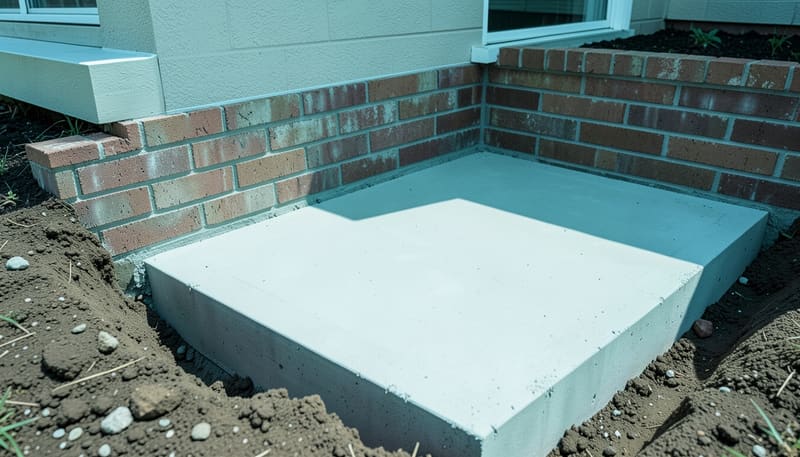
- 1 · Mass concrete: concrete is cast in short sections under the footing, down to firmer ground.
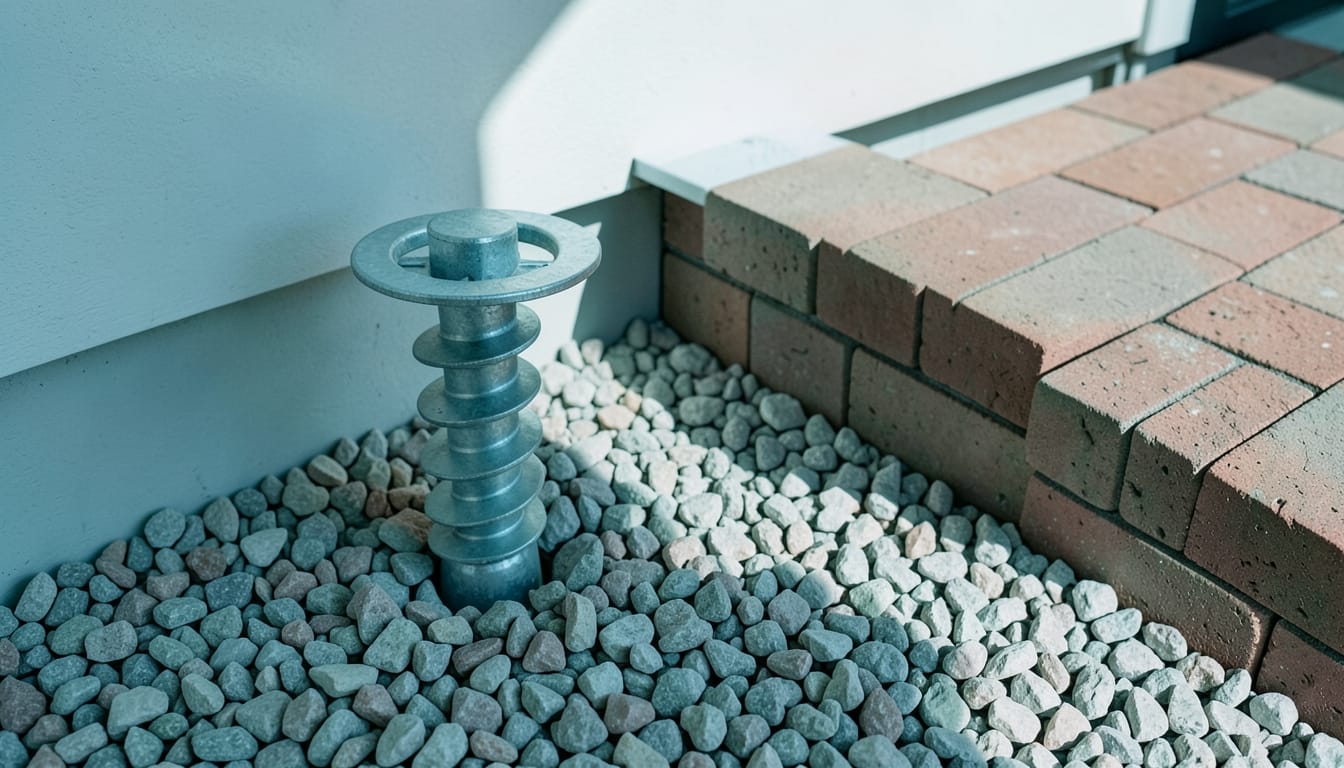
- 2 · Screw piles or piers: steel piles are driven or screwed to a firmer layer and tied to the footing with brackets or a new beam.
- 3 · Resin injection: expanding resin is injected into the soil under the footing to fill voids, densify it and sometimes lift the footing.
Restumping
Engineering for restumping and reblocking jobs
Restumping, or reblocking, replaces the stumps of a raised timber-floored house. Whether a job needs an engineer depends on the job and on what your building surveyor or certifier asks for. Where it does, we provide the inspection, engineering and permit documents, plus stage inspections and certification as the job requires.
Some houses have more than one footing type, such as a timber-floored original with a slab extension. Send photos and we'll tell you what engineering each part needs. Our guide to underpinning vs restumping explains the difference for owners.
Owner not sure the work is needed?
A foundation and crack report from $450 + GST gives them an independent answer before you quote, and it's the first step if a design follows.

Where we work
Where do we work?
We take jobs in Melbourne, Sydney, Brisbane, Adelaide and Geelong, plus the Gold Coast, Newcastle, Perth and the Central Coast. Send the job address and we'll confirm it in your fixed quote. Our published homeowner fees are on the pricing page.
Queensland jobs
Professional engineering services in Queensland must be carried out or supervised by a Registered Professional Engineer of Queensland (RPEQ) under the Professional Engineers Act 2002 (Qld). Our credentials: Engineers Australia · RPEQ.
Working with us
Do
- Send photos and any reports with the job
- Tell us your program and deadlines
- Call stage inspections at the points in the design
Don't
- Pour or backfill before a stage inspection
- Fix the method before the cause is confirmed
- Start before the permit or approval is in place
Related services
Other reports we prepare
Foundation & crack reports
Cracks measured and rated, the cause of the movement found, and your options set out before anyone quotes a repair.
Learn more Homeowners · Builders · ContractorsUnderpinning design & certification
If underpinning is needed, we design it, prepare the permit documents, inspect the critical stages and certify the work.
Learn more Active or historic movementCrack monitoring
Repeat readings that show whether a crack is stable, seasonal or still widening, before anyone designs a repair.
Learn moreQuestions
Engineering for contractors FAQs
Still unsure? Call 07 2150 0579 and an engineer will talk it through.