

Second opinion · Homeowners
Got an underpinning quote? Get an independent engineer's second opinion
Send us the quote, any reports and a few photos. A structural engineer checks whether the cause of movement has been found, whether the method and scope suit your house, and what the price leaves out, then puts it in writing. From $390 + GST, by an engineer with no repair to sell.
- Written engineer's review
- Cause before method
- No repairs to sell
Second opinion
Do I need a structural engineer for underpinning?
The short answer
Yes. Underpinning is structural work: it usually needs an engineer's design and a building permit or approval, and an engineer should confirm why the house moved before anyone digs. If you already have a quote, an independent engineer's review tells you whether the evidence supports underpinning, whether the method suits your soil and what the price leaves out.
An underpinning quote often comes from the company that would do the work. There's nothing wrong with that, but the diagnosis and the sale arrive together. An underpinning second opinion separates them: an engineer with nothing to sell reads the quote the way a building surveyor would. If it's sound, you sign with confidence; if something's missing, you'll know what to ask.
- What we review
- The quote, any reports or plans, and your photos
- Fee
- From $390 + GST, fixed before we start
- You receive
- A written engineer's review and the questions to ask
- Site visit
- Not needed. If it is, it's a foundation and crack report from $450 + GST
- Fixed quote
- Within 1–2 business hours of your request
- Independence
- We never sell, quote for or carry out repairs

Key takeaways
- The cause decides the fix. A good quote says why the house moved, not just how to hold it up.
- Compare quotes on scope, method and exclusions, not only the total.
- A price that must be accepted today is a reason to pause, not to hurry.
- We review quotes and never write them, so no sale rides on our advice.
The checklist
What should a good underpinning quote include?
A good underpinning quote explains the cause, the extent and the method, names who designs and certifies the work, and is clear about what's excluded. Tick these ten items off against your quote. Anything missing is a question to ask before you sign.
Diagnosis and design
- The cause, with evidence. Why the footings moved, backed by tests such as a soil investigation or a plumbing (leak) test. Ask: what made it move, and how do you know?
- Extent and locations. Which walls or footings, how many metres or piers, and where, ideally marked on a plan. Ask: why does the work stop there?
- The method, and why it suits the soil. Mass concrete, piers, screw piles or resin, and why it fits your ground and the cause. Ask: why this method here?
- Founding depth or stratum. How deep the new footing or pile goes, and into what kind of ground. Ask: how will that be confirmed on site?
- Who designs and certifies. The engineer responsible for the design, the stage inspections and the final sign-off. Ask: who is the engineer, and are their fees included?
Paperwork and scope
- The building permit or approval. Who applies, who pays and how long it's allowed for. Ask: is the permit in the price?
- Drainage or plumbing fixes. If water caused the movement, how it will be stopped and by whom. Ask: what happens to the leak or the downpipe?
- Making good. Crack repairs, patching, painting, paving and garden reinstatement after the work. Ask: what will the house look like when you leave?
- Exclusions and warranty terms. What isn't covered, such as rock or extra depth, and what the warranty covers. Ask: what would cost extra, and what voids the warranty?
- Monitoring. Crack or level readings before and after, to show the movement has stopped. Ask: how will we know it worked?
Comparing two or three quotes?
Line them up against this list. Quotes that look far apart on price often differ in scope: one includes the engineer, the permit and the making good, another leaves them out. A review puts them side by side for you.
Red flags
What are the red flags in an underpinning quote?
One red flag doesn't make a quote wrong, but each is a reason to ask questions before you sign. These are the ones an engineer looks for first.
No cause stated
Underpinning supports a footing; it doesn't stop a leak or a tree drying out the clay. If the cause isn't named, you can't tell whether the work deals with it.
Method chosen before any investigation
A method picked before any soil or plumbing test means the answer came before the question. The soil and the cause should decide the method.
Pressure to sign quickly
A price that expires in days, straight after a free inspection, leaves no time to check the diagnosis. A sound quote is still sound next week.
No engineer's design or permit
Underpinning is structural work that usually needs an engineer's design and a building permit or approval. Check with your building surveyor or certifier.
Vague quantities
"Piers as required", or no lengths, depths or locations, makes quotes impossible to compare and leaves room for variations later.
Nothing about water
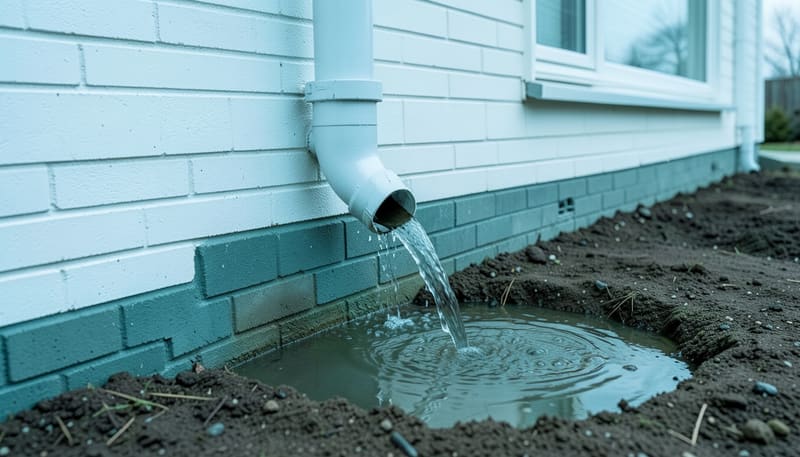
Leaking pipes, downpipes and poor drainage are common causes of footing movement. If the quote is silent on them, ask why.
Is the price right?
Is a $30k underpinning quote too much?
It might be fair or it might be high: the total alone can't tell you. Published guides put a typical house at $10,000–$15,000 (hipages) and large jobs at $25,000–$50,000 (QuickQuote), so a $30,000 quote is plausible for extensive work and hard to justify for one corner of a house. What matters is whether the scope matches the cause and the extent of the movement.
Published underpinning price ranges (checked October 2026)
- Typical house (hipages)$10k–$15k
- Common jobs (Remedial Building Help)$4k–$15k
- Small jobs (QuickQuote)$5k–$12k
- Standard section (QuickQuote)$12k–$25k
- Large jobs (QuickQuote)$25k–$50k
- Resin injection jobs (Buildfix)$4k–$16k
- Extensive piling (Remedial Building Help)$40k–$80k+
That's why a review looks at quantities, method and exclusions, not the bottom line: the cheaper of two quotes may simply leave out the engineer, the permit or the making good. From $390 + GST, a review is a small cost against a five-figure quote.
Only a quote is a real price
Published ranges are a sense check, not a price for your house: soil, access, depth and method all move the number. For the breakdown by method, see our underpinning cost guide.
How it works
How does an underpinning quote review work?
You send the paperwork, an engineer reads it against the evidence, and you get a written review. If the documents can't answer the key questions, we'll say so first.
Send the quote, reports and photos
Attach the quote, any engineer's, soil or plumbing reports, plans if you have them, and photos of the cracks inside and out. You'll get a fixed fee within 1–2 business hours.
Can the documents answer the key questions?
We check there's enough to review: what's proposed, where, and what the cracks look like.
Yes → a desk review, from $390 + GSTNo → a site visit, as a foundation and crack reportAn engineer reviews the quote
The cause and its evidence, the method against your soil, the extent, founding depth, design, permit, drainage, making good, exclusions and monitoring.
You get a written review
What's sound, what's missing or unclear, the questions to put to the contractor, and whether a soil test, plumbing test or monitoring should come first.
Does the quote stack up?
You decide what happens next, with an engineer's view in writing.
Yes → sign with confidenceNo → revise, investigate first, or design it independently
Underpinning quote review
From$390+ GST
- Reviewed from the quote, reports, plans and photos you send
- A written review by a structural engineer (Engineers Australia · RPEQ)
- What's sound, what's missing, and the questions to ask
- A fixed fee, agreed before we start
Foundation and crack report
From$450+ GST
When photos can't show the cause or extent, an engineer inspects the house and reports the likely cause and your options. See the foundation and crack report.
Independence
Why should the second opinion come from an independent engineer?
Because a second opinion is only as useful as the person giving it. A second quote from another contractor tells you what they would charge for the method they install. An independent engineer tells you whether the work is needed, whether the method suits your soil and whether the scope is complete, and is paid the same whatever you decide.
We never sell, quote for or carry out repairs, and we don't recommend contractors. If the quote is sound, we'll say so. If the evidence doesn't yet support underpinning, we'll say that too, and what to check first.
Not sure an engineer needs to be involved at all? Read do you need an engineer for underpinning?
| Another quote | Engineer's review | |
|---|---|---|
| Paid for | The repair, if you go ahead | The review, whatever you decide |
| Checks the cause | Not always | Yes, against the evidence |
| Method | Usually the one they install | Whichever suits the soil and cause |
| Finds what's missing | Prices its own scope | Checks design, permit, making good and exclusions |
| What you get | A price for their scope | A written review and questions to ask |
| Cost to you | Usually free | From $390 + GST |
Many contractors' quotes are thorough. This compares two roles, not any particular company.
After the review
What happens after the review?
The review is one step towards a repair that's properly designed and signed off, if a repair is needed at all. Here's where it fits.
- Now
Quote reviewed
You know what's sound, what's missing and what to ask.
- If evidence is missing
Investigate the cause
A soil investigation, a plumbing test or crack monitoring to show whether the movement is still active.
- If repair is needed
One design, comparable quotes
With an independent underpinning design, every contractor prices the same scope.
- Before work starts
Permit or approval
The design and documents go to your building surveyor or certifier.
- During the work
Stage inspections
An engineer inspects the critical stages before they're covered up.
- On completion
Certified
The engineer certifies that the work was built to the design.
Read before you sign
- What is underpinning? When it's the right fix
- Underpinning methods compared, method by method
- Underpinning cost: published ranges and what moves them
- Underpinning vs restumping for houses on stumps
- Cracks in walls: when to worry
When a desk review isn't enough
If cracks are growing quickly, doors have started jamming or a wall is leaning, book a foundation and crack report so an engineer sees the house in person.
Related services
Other reports we prepare
Foundation & crack reports
Cracks measured and rated, the cause of the movement found, and your options set out before anyone quotes a repair.
Learn more Homeowners · Builders · ContractorsUnderpinning design & certification
If underpinning is needed, we design it, prepare the permit documents, inspect the critical stages and certify the work.
Learn more Active or historic movementCrack monitoring
Repeat readings that show whether a crack is stable, seasonal or still widening, before anyone designs a repair.
Learn moreQuestions
Underpinning quote review FAQs
Still unsure? Call 07 2150 0579 and an engineer will talk it through.