
Owners · Buyers · Disputes
Building defect reports for owners, buyers and disputes
A building defect report records what's wrong, where, how serious it is and the likely cause, with clear recommendations, signed by a structural engineer with no repair to sell. Use it to get defects fixed, to understand a house before you commit, or as independent evidence in a dispute.
- Defects measured & rated
- Likely cause identified
- Independent evidence
Overview
What is a building defect report?
The short answer
A building defect report is a structural engineer's written record of defects in a building: what each one is, where it is, how serious it is, the likely cause and what should be done. Owners use one to get defects fixed, buyers to understand a property before committing, and either side of a dispute to rely on independent evidence.
The defect inspection is the site visit behind the report. The engineer inspects the concerns you've raised and the structure around them, inside and out, locating, measuring and photographing each defect and looking for what caused it.
Our reports focus on structural defects and their causes: cracking and movement, footings and slabs, framing, and the drainage and site conditions that affect them. If your concerns are mainly finishes or waterproofing, tell us when you ask for a quote and we'll confirm whether an engineer's report is the right fit. For a general check of a house's structure rather than specific defects, see our house structural inspection.
- Who it's for
- Owners, buyers and either side of a dispute
- Time on site
- One to three hours for a typical house
- Each defect
- Located, measured, photographed and rated
- Likely cause
- Identified, with further tests if they're needed
- Signed by
- A structural engineer (Engineers Australia · RPEQ)
- Fee
- Fixed quote per report, within 1–2 business hours
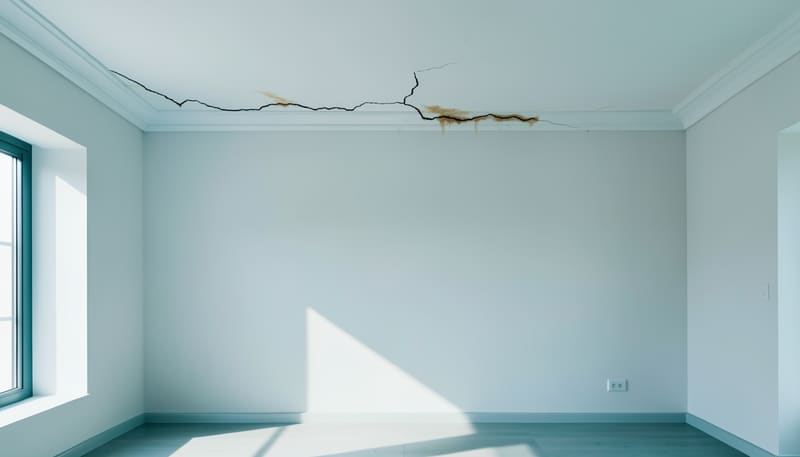 D-04 · CORNICE
Key takeaways
- Every defect gets a reference, a location, a measurement and a photo.
- The likely cause matters as much as the defect, because it decides the fix.
- For a tribunal or court? Tell us when you request a quote.
Report types
Which type of defect report do you need?
The inspection is much the same. What changes is the question the report answers and who will rely on it, so tell us the purpose when you request a quote.
| Report | When it's used | What it answers |
|---|---|---|
| Building defect report | You own a house with defects, or you're buying and a building inspection recommends a structural engineer | What the defects are, how serious they are, the likely cause and what to do |
| Dispute report | A disagreement with a builder, contractor or neighbour about defects or damage | The same questions, as independent evidence. For a tribunal or court, tell us when requesting a quote so the scope and format can be confirmed |
| Insurance report | You're making a claim, or responding to an insurer's decision, about damage | The likely cause of the damage, for your insurer to assess against your policy |
| Structural adequacy certificate | A council or certifier asks whether an existing structure is adequate, for example when existing work needs approval | An engineer's certificate on whether the structure is adequate for its use. Requirements vary, so send us the request |
Defect inspection
What does a defect inspection cover?
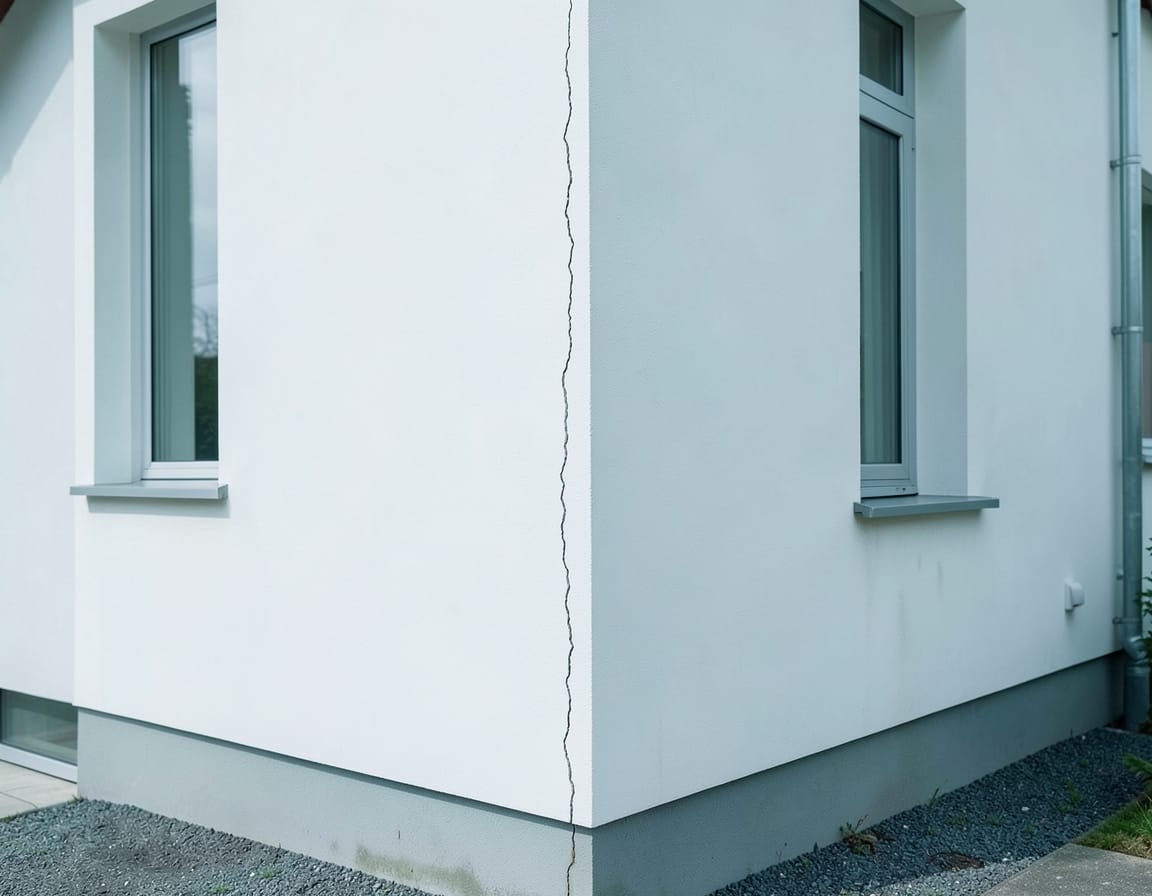
The concerns you raise, and the structure around them. Defects rarely sit alone: a cracked wall often comes with a sticking door, an uneven floor or a downpipe that has been soaking the ground beside a footing.
Cracks in walls and ceilings
Located, measured for width and length, and rated against the AS 2870 damage categories.
Doors, windows and floors
Sticking doors, racked frames, gaps at skirting boards and floors that feel out of level.
Footings and slabs
Signs of settlement, heave or movement, and cracks across slab floors.
Framing, ceilings and roof
Cornice cracks, sagging ceilings and stains that point to framing movement or leaks.
Drainage and plumbing signs
Downpipes, leaks, ponding and damp that soften or swell the ground under footings.
Trees and site conditions
Trees near the house, slopes, paving and fill that affect how the footings behave.
Not sure whether a crack is structural? Our guide to cracks in walls explains the warning signs and the crack chart engineers use.
What you receive
What does a building defect report look like?
Every defect is logged in a register, so it can be found, discussed and re-checked. Here's an extract from an example register, with illustrative data.
| Ref | Location | Defect | Photo | Width | Category | Likely cause | Recommendation |
|---|---|---|---|---|---|---|---|
| D-01 | Front elevation | Stepped crack in brickwork below window | P-04 | 3.0 mm | Cat 2 | Footing movement at corner, see D-06 | Fix D-06, then monitor |
| D-02 | Hallway | Diagonal crack from door head | P-11 | 1.5 mm | Cat 2 | Same movement as D-01 | Monitor, then patch |
| D-03 | Bedroom 2 | Fine vertical crack at wall junction | P-14 | 0.5 mm | Cat 1 | Plaster shrinkage | Fill and paint |
| D-04 | Bedroom 2 | Cornice crack with water stain | P-15 | 0.5 mm | n/a | Roof leak above | Fix leak, then repair |
| D-05 | Laundry | Door binding, gap at head | P-19 | n/a | n/a | Frame racked by D-01 movement | Re-check after monitoring |
| D-06 | Rear corner | Downpipe discharging against footing | P-22 | n/a | n/a | Drainage defect | Connect to stormwater |
Illustrative example, not a real property. Damage categories rate wall cracks against AS 2870 Table C1 and are a guide only; other items are assessed in the recommendations.
What else is in the report?
- The concern and scope: what you asked us to look at, and why
- Observations: cracks, doors, windows, floors, drainage, plumbing signs, trees and site
- Crack ratings against the AS 2870 damage categories
- The likely cause or causes, and how serious each defect is
- Recommendations: no action, maintenance, monitoring, further testing or a repair to be designed
- Photos referenced to the register
- The engineer's signature and the limits of the inspection
- Cat 0Negligible< 0.1 mm
- Cat 1Very slight< 1 mm
- Cat 2Slight< 5 mm
- Cat 3Moderate5–15 mm
- Cat 4Severe15–25 mm
- Cat 5Very severe> 25 mm
How it works
How does a building defect inspection work?
- Step 1
Tell us the purpose
The address, the defects you're concerned about, photos, and who will rely on the report. If it's for a tribunal or court, say so now.
- Within 1–2 business hours
Get a fixed quote
Scope, format and fee fixed before we start, with the report delivery date confirmed.
- On site
Defect inspection
Usually one to three hours for a typical house: each defect located, measured, photographed and rated.
- Report
Your defect report
The defect register, likely causes, severity and recommendations, signed by the engineer.
- If needed
Repair or monitor
Structural repairs can be designed and certified through our design and certification service and built by any licensed contractor. If movement may still be active, crack monitoring can come first.

Disputes
Do you need an expert witness structural engineer?
If your defect report is for a tribunal or court, tell us when you request a quote. We'll confirm the scope and format the report needs before we start, so it's prepared for the way it will be used.
Tribunals and courts can have their own rules for expert reports. Your lawyer, or the tribunal itself, can tell you what applies. Send any orders, letters or instructions you've received with your quote request.
What makes a defect report useful in a dispute is what makes it useful anywhere: measured observations, a reasoned cause and independence. We don't sell or carry out repairs, so no repair work rides on what the report says.
General information, not legal advice
This page explains what our reports cover. For advice on a dispute, your rights or any deadlines, speak to a lawyer or the relevant tribunal.
What is a structural adequacy certificate?
It's an engineer's certificate on whether an existing structure is adequate for its use. Councils or certifiers often request one, for example when existing building work needs to be approved. Requirements vary, so send us the letter or request you've received and we'll confirm in your quote what's needed, including the inspection.
Can a defect report help with an insurance claim?
It can document the likely cause of the damage, which your insurer then assesses against your policy. Many home policies exclude damage from gradual subsidence, settlement, shrinkage or earth movement, but cover damage caused directly by an insured event, such as escape of liquid from a burst pipe, storm or flood. Wording differs, so check your PDS, and read does home insurance cover subsidence?
General information only, not insurance advice.
Before the inspection
How should you prepare for a defect inspection?
Do
- Note when each defect appeared, with dated photos
- Gather contracts, plans, earlier reports and correspondence
- Tell us who will rely on the report, and any deadline
- Clear access around the outside walls and to any subfloor
Don't
- Patch, paint or repair defects before they're inspected
- Rely on a report from someone quoting for the repair
- Assume every crack is structural
- Leave growing cracks unrecorded
See our fees. If your only concern is cracking and what's causing it, a foundation and crack report from $450 + GST may be all you need.
Related services
Other reports we prepare
House structural inspections
A structural engineer inspects the whole house, finds what's moving and why, and reports what, if anything, needs doing.
Learn more Home buyers · Before you commitPre-purchase structural inspections
Buying a house with cracks or movement? An engineer finds the cause and what a fix could involve before you commit.
Learn more Active or historic movementCrack monitoring
Repeat readings that show whether a crack is stable, seasonal or still widening, before anyone designs a repair.
Learn moreQuestions
Building defect report FAQs
Still unsure? Call 07 2150 0579 and an engineer will talk it through.